Pouring at Metapcalip
The pour is the heart of Metapcalip — paced, measured, and taught so you understand why temperature and wick size change everything.
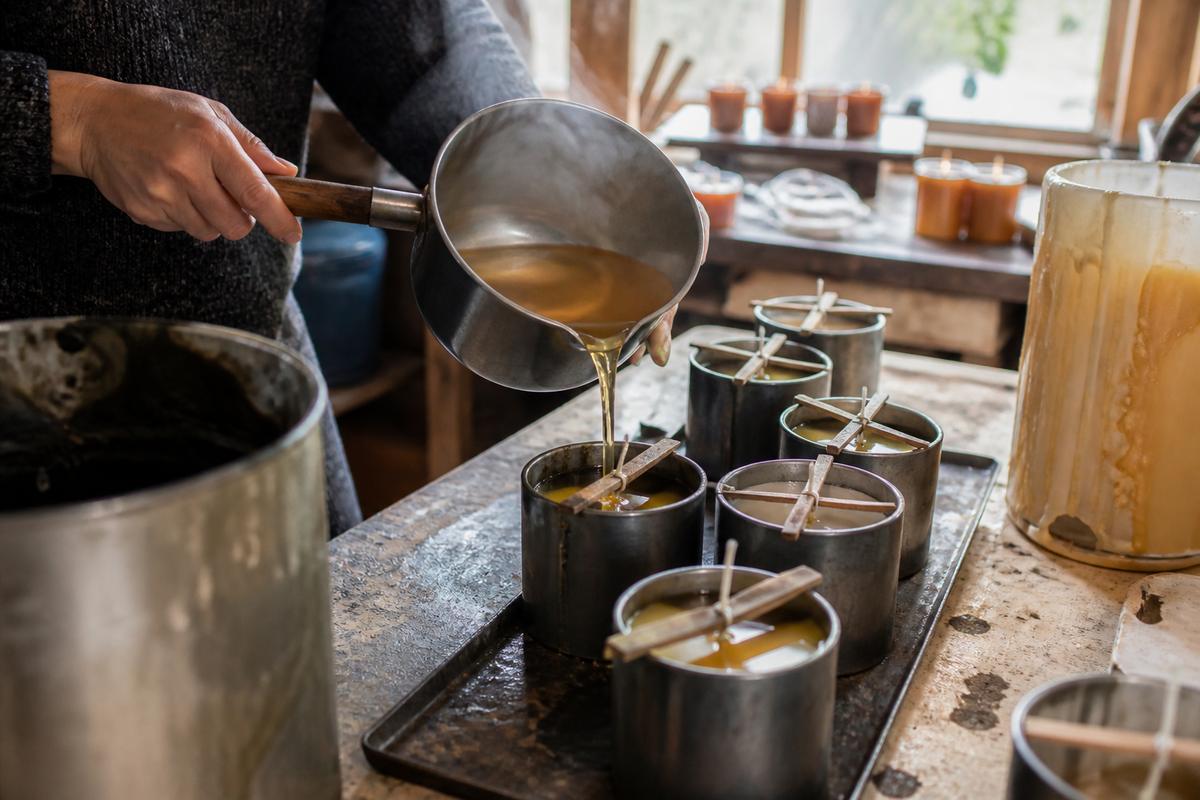
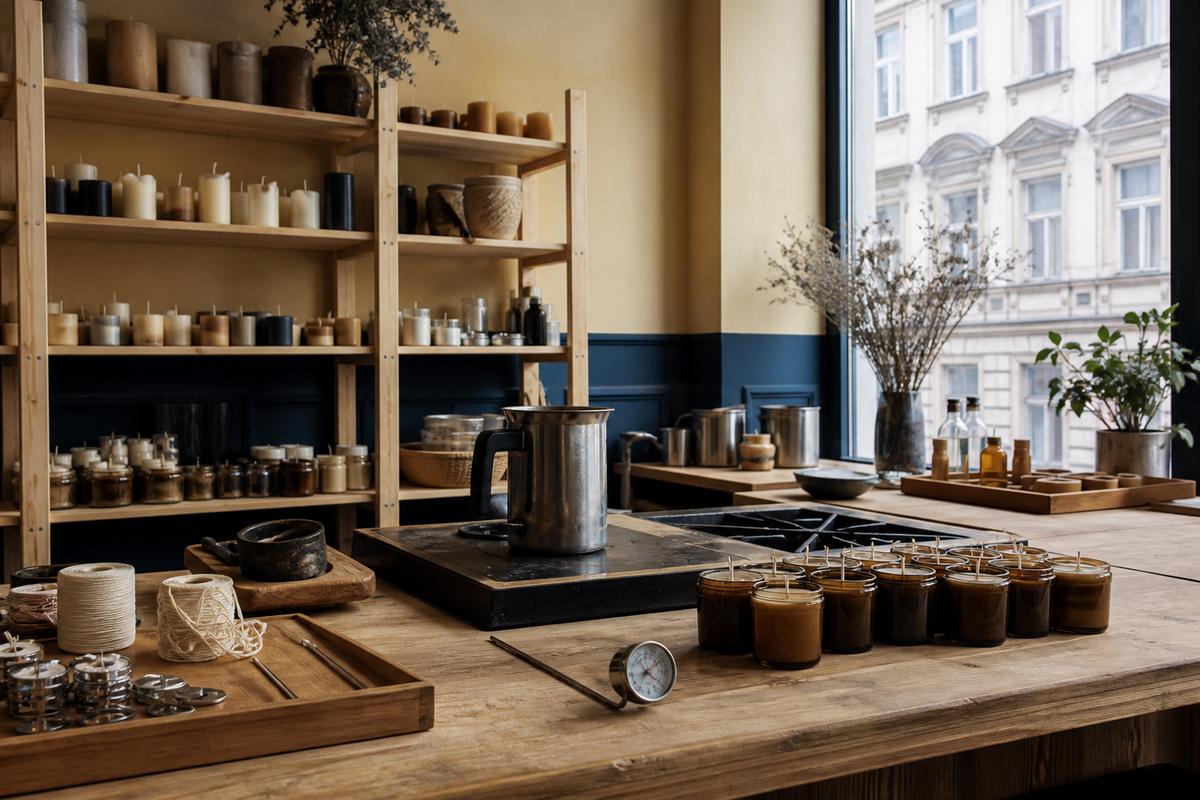
Open pour evenings at Metapcalip begin with a short briefing: vessel cleanliness, adhesive tabs, and how cotton wicks behave in different diameters. Guests work at shared benches with enough space to keep pitchers steady. Instructors watch temperatures and call the pour window so wax does not frost, tunnel, or leave a hollow crown.
We use soy and beeswax blends chosen for clean burn and a calm surface finish. Fragrance, when included, is already portioned for the batch size you are working with — no guessing percentages mid-pour. After filling, candles rest on cooling racks while we cover first-burn etiquette: trim length, draft-free placement, and when to extinguish for an even memory ring.
Private workshop hire follows the same method with a slower pace and more questions. Metapcalip can stage a sequence from wick setting through double pour for larger vessels. Materials are included; you leave with cooled candles once the studio confirms the set. Evening slots fill quickly on weekends, so call ahead — the phone number on our contact page is the fastest route.
Safety stays practical rather than theatrical. Hot surfaces are marked, aprons are available, and we keep water and fire blankets where they belong. Metapcalip does not run children’s parties; sessions are for adults who want craft skill, not a photo-only activity. If you have fragrance sensitivities, tell us when booking so we can assign an unscented or lightly scented tray.
Between classes the pour station remains part of daily Metapcalip production. Visitors browsing finished candles often see a batch cooling or a thermometer clipped to a pitcher. That openness is intentional: craft looks better when the tools stay in view.