Scents at Metapcalip
Metapcalip builds candle fragrance for rooms people actually live in — soft projection, honest naming, and notes that settle rather than shout.
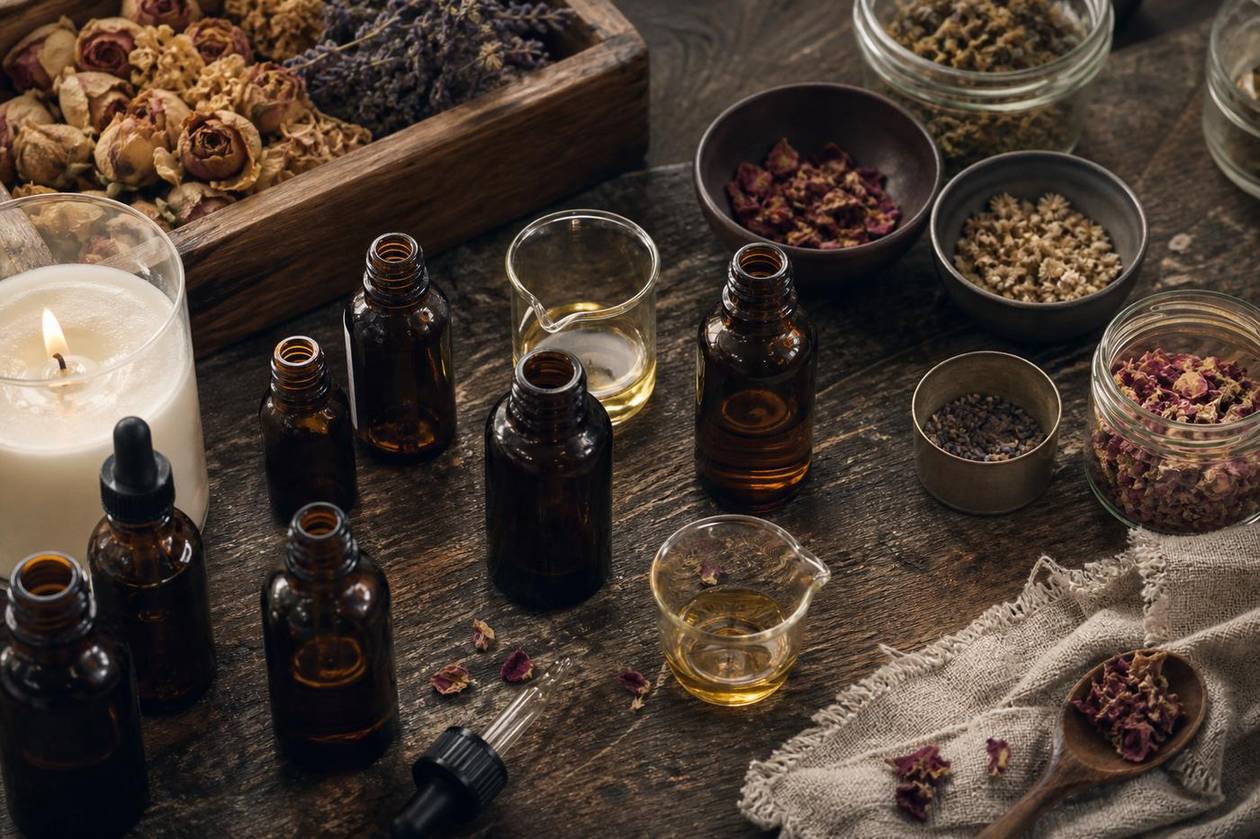
Fragrance work at Metapcalip starts with the vessel and the wax system, not a perfume brief copied from elsewhere. Soy-heavy blends hold lighter florals differently than beeswax-forward pours; we adjust load percentages so the candle burns cleanly and the scent stays readable without fogging a small Leipzig apartment.
Our current library leans botanical and resinous: lavender and soft woods, citrus peel without candy sweetness, herbal greens, and a few warm spice accords for autumn shelves. Each oil is tested in a sample cup before it joins a public formula. If a note turns sooty or collapses after a week of curing, it does not make the Metapcalip shelf.
During a scent-blending appointment you sit at the desk with blotters and a short list of compatible partners. We talk about when you burn candles — morning desk, evening reading, weekend kitchen — and map top, heart, and base accordingly. You leave with a formula card written in plain English so you can reorder the same blend later or adapt it in a future pour class.
Ready vessels on the shop shelf carry the same discipline. Labels name the character, not a fantasy destination. Staff at Metapcalip can describe burn time, throw distance, and whether a scent suits open-plan rooms or quieter bedrooms. If you prefer unscented or lightly scented wax, say so — we keep a small run of near-neutral pours for guests who want flame and form without fragrance.
Private groups sometimes book a scent-only hour before pouring together. That sequence — smell, choose, then pour — is how Metapcalip likes to teach: decisions first, hot wax second. Ask when you call; availability depends on cooling rack space and the day’s workshop calendar.